
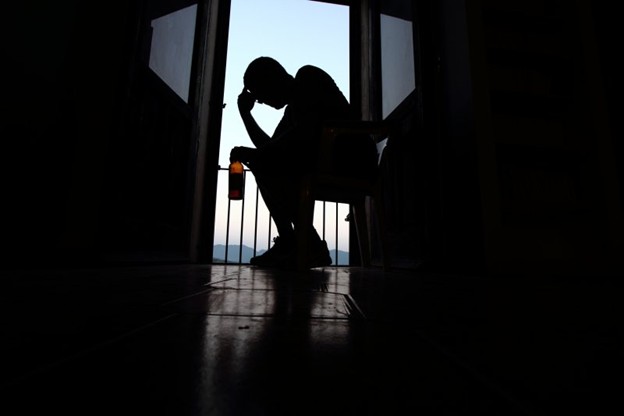
While you might think they’d be obvious, alcohol addictions aren’t always easy to spot. Enjoying beer or wine doesn’t (on its own) mean you have a “drinking problem.” That said, you needn’t give up on a diagnosis; there are telltale signs of alcoholism you can watch out for. Your addiction specialist in Kansas City will even tell you about some, helping you clarify your situation. Just keep reading to learn five common indicators of alcohol use disorder.
Drinking at All Hours
Often, alcoholics drink (or seek to drink) at any and all hours. They won’t let school, work, or other daytime obligations confine their liquor use to evenings or nights. On the contrary, many will secretly drink in class or on the job despite the high risks involved. These figures try to hide their day drinking with various tricks, especially by brushing their teeth to mask the smell of alcohol.
Lack of Alcohol Limits
If you’re an alcoholic, you likely struggle to say enough is enough. Any limits you put on your drinking – whether before or after you start – tend to be broken and cast aside. You may promise you’ll only have two beers, but those quickly become seven or more as the night continues. That your friends or family have already left the bar and gone home doesn’t matter; you feel like ordering another round.
A Really High Tolerance
By their very nature, alcoholics usually have a high tolerance for alcohol. They can “hold their liquor” after multiple drinks without feeling drunk, even as others get buzzed from one shot. This tolerance will even grow higher with time, assuming the alcoholism goes unchecked. The addict will find they need more and more beer, wine, and spirits to feel the desired effect.
Disruptions to Daily Life
When your drinking disrupts your daily life, the odds are good that you’re an alcoholic. Letting alcohol cause problems at work, school, or in your personal life is a major red flag. After all, that means you’ve made your drinks a higher priority than the day-to-day routines you use to survive. Such a change in your mindset indicates alcohol has become a major issue for you.
Severe Withdrawal Symptoms
Those with AUD face severe withdrawal once they stop drinking. Their bodies are chemically dependent on alcohol, so much so that lacking it causes nausea, sweating, and other side effects. Some alcoholics can even experience hallucinations or convulsions that require urgent medical help. As these symptoms ramp up, the drinker will seek alcohol to fix them.
Besides those above, other signs of alcoholism also exist. Consult your medical provider if you’d like to learn about these signs in detail.
About the Practice
B&L Medical Group is based in Kansas City. Led by nurse practitioner Laura Lindsay, our practice assists patients in their efforts to overcome opioid, alcohol, and other substance addictions. That work mainly takes the form of medication-assisted treatment, which proves effective alongside talk therapies. Said treatment uses drugs like Suboxone and Vivitrol to combat cravings and withdrawal symptoms, ensuring a smooth recovery. For more details or to book a visit, please contact us on our website or by phone at (913)-713-1238.