Addiction Treatment Kansas City
Medical Solutions for Drug & Alcohol Addiction
As medical conditions, substance use disorders should be addressed using medical treatments. At least that’s the way we see it at B&L Medical Group, LLC. No two addiction patients are the same, and we use a non-judgmental, personalized approach to customize your treatment. Especially at the beginning, it may take some time and experimentation to identify the right solution for your case, but we are committed to helping you achieve your sobriety goals. Contact us today to see if any of these addiction treatments in Kansas City could be successful for you.
Medication-Assisted Treatment (MAT)
Although support and other therapies are undoubtedly necessary and effective in recovering from addiction, medication can help significantly. Medication-assisted treatment (MAT) takes advantage of innovations to achieve and maintain sobriety as well as prevent fatal overdose. Just keep in mind that not all medications will work equally well for everyone. For some patients, certain medications may not be a good fit. We will work with you to determine which solution and dosage can best help you.
Buprenorphine
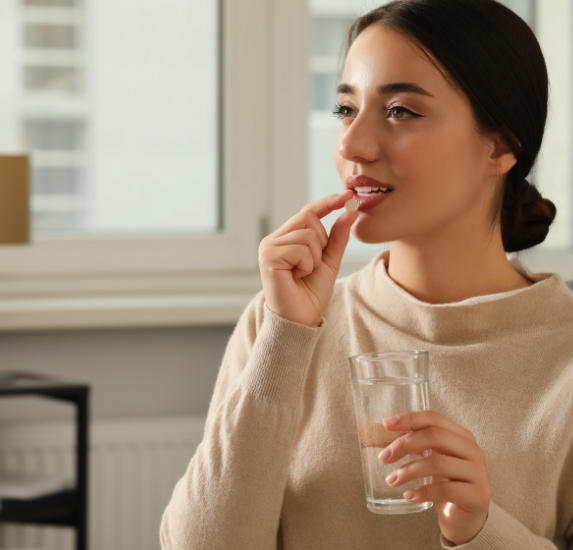
As one of the FDA-approved medications to treat opioid use disorder, buprenorphine is what is called a partial opioid agonist. This term just means that it creates a much milder euphoric effect than the opioids themselves, helping patients avoid severe withdrawal symptoms and reduce cravings of further potential use of stronger opioids. This chemical serves as a main ingredient in many brand-name treatments that we use at B&L Medical Group, LLC and can be administered safely and effectively in several ways, depending on your needs.
Learn More About Buprenorphine
Suboxone

This medication is one of the more common treatments for opioid use disorder. According to Harvard Medical School, it can lower the risk of fatal overdose by as much as 50 percent. Suboxone combines buprenorphine and naloxone and is a partial opioid agonist and helps with withdrawals—even for those getting off harder opioids or narcotics like heroin and fentanyl. It provides only a fraction of the euphoria of opioids, easing the patient away from these more dangerous addictive drugs.
Sublocade Injections
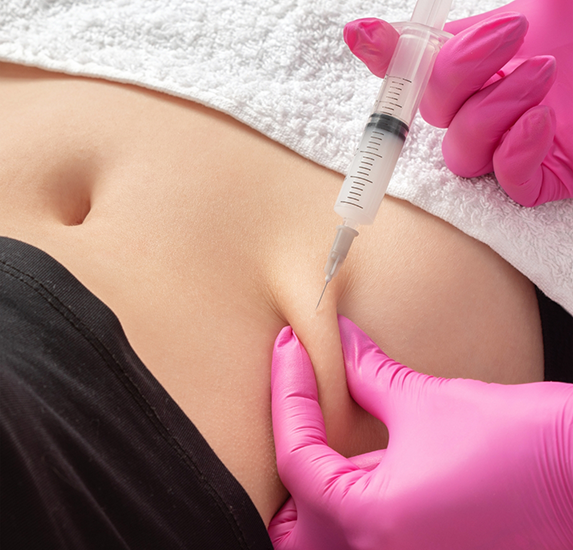
Like Suboxone, Sublocade contains a form of buprenorphine for opioid addiction, but instead of coming in pills, this medication comes in the form of a monthly injection given in the office. The medication is delivered just below the skin and is released into the body slowly, yet continuously helping the patient experience less intense cravings and withdrawal symptoms throughout the month with minimal interruption to daily life.
Learn More About Sublocade Injections
Naltrexone

Typically, naltrexone is prescribed in pill form and is taken every day to manage alcohol or opioid addiction. Blocking receptors in the brain, this medication helps to curb cravings. With some other treatment options, you can become dependent on the medication, but one of the major benefits of naltrexone is that it is not an opioid and doesn’t create dependency, which means you won’t experience withdrawal symptoms if you stop taking this treatment.
Vivitrol Injections
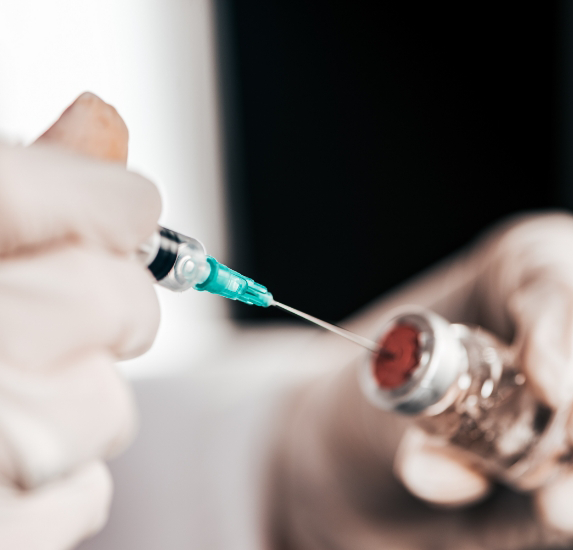
Vivitrol is an extended-release injectable form of naltrexone that can be used to treat opioid and alcohol addiction. It is given monthly as an intramuscular injection and works by blocking receptors in the brain so that you don’t experience intoxication or euphoria from alcohol or opioids. It also alters how the hypothalamus, pituitary gland, and adrenal gland interact with each other, lowering your desire to drink or take these addictive medications.
Learn More About Vivitrol Injections
Addiction Treatment FAQs
|Is Addiction Treatment Safe?
Whatever concerns you might have, please rest assured – addiction treatment is quite safe for patients. It helps recovery without causing any harm to your mind or body.
For example, the medications we use for treatment don’t cause relapses. Our office relies on partial opioid agonists and opioid antagonists – substances that discourage misuse. That being the case, you can trust that you won’t develop a new drug dependence in our care. You’ll instead rid yourself of your addiction to alcohol, opioids, or similar narcotics.
For further details on addiction treatment’s safety, please call us or visit us. We’ll gladly tell you much more!
How Long Does Addiction Treatment Take?
While you may want a definite timeline, how long addiction treatment takes can vary. Your care’s duration will largely depend on your own situation and circumstances.
Often enough, addictions differ as much as individual people do. One person could thus need months of treatment to recover, while someone else might require much more. Treatment could even continue indefinitely for some patients; it doesn’t have a maximum recommended duration.
If you really want timeline details, you should ultimately consult Nurse Laura. She can assess your condition and offer rough (but reasonable) estimates of how long your care may take.
Do You Only Need to Take Medication for Addiction Treatment?
Medication is an effective part of addiction treatment; we wouldn’t offer any otherwise. That said, taking one drug (or several) shouldn’t make up the whole of your care.
The truth is that medication alone just won't cut it. For lasting recovery from addiction, patients must take a holistic approach to their substance abuse problems. That often means maintaining sobriety while actively working to change personal habits, lifestyle choices, and so on. Even now, patients are more likely to avoid relapse if they attend therapy sessions or support groups while taking medication.
For further thoughts on non-medication treatment aids, talk to Nurse Laura. She’ll point you to several good ones nearby!
Can I Work or Go to School During Addiction Treatment?
Without a doubt, yes – you can go to work or school during addiction treatment. Your road to recovery doesn’t have to exclude your job or education.
Note that it doesn’t take long to administer the required treatment medications. Even with injections, the process should only take a minute or so at most. You can thus continue school, caregiving, and work during the many remaining hours of your day; treatment won’t leave you restricted.
More importantly, the stability of regular work or schooling can support your recovery. Improving in your day-to-day job (or education) offers motivation, further strengthening your resolve to conquer your addiction.