Opioid Addiction – Kansas City, KS
A Risky-But-Treatable Crisis
While opioids have fair and sensible uses, they're also ripe for abuse. People can easily fall prey to these drugs and form a deeply unhealthy dependence on them. If you're one such person, you may even suffer an opioid addiction here in the Kansas City area. The upside is that we at B&L Medical Group can effectively treat this problem, stopping it from taking over. Just keep reading to learn more about it, or book an appointment to see us.
What’s an Opioid Addiction?
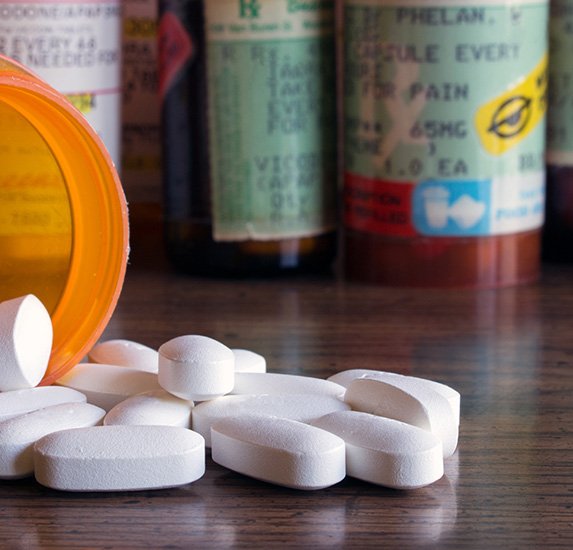
Doctors have prescribed opioids for decades as a treatment for pain, coughs, etc. Still, such medicine isn’t without risk; it can quickly cause addictions.
Opioid addiction is a chronic and compulsive use of opioids despite harmful consequences. As such, it’s most characterized by physical dependence, intense cravings, and increasingly heavy drug usage. The condition can have other effects, though, like drowsiness, weight loss, and similar ailments.
Most opioid addictions don’t have one single cause, as they involve many risk factors. The most notable of these include:
- A younger age, especially the teens or early 20s
- Personal/family history of substance misuse
- Clinical depression, anxiety, or post-traumatic stress disorder
- Problems related to work, family, or friends
How Do Opioid Addictions Affect You Long-Term?

Left unchecked, an opioid addiction is very hazardous. It’ll gradually cause many issues that lower your quality of life unless it’s treated.
The most obvious impact will be on your day-to-day experiences. After all, opioid addiction is disruptive and leads to problems with work, the law, and relationships with friends and family. Those addicted often struggle to hold jobs and don’t manage their daily needs as they should. At the same time, they’re more likely to experience organ damage, a weaker immune system, etc.
Of course, the biggest long-term impact is a high risk of overdose. Quickly taking too many opioids can strain your body, preventing you from breathing properly. This disruption is extremely dangerous and can lead to death without fast medical attention. (If you or someone else shows signs of an opioid overdose, call 911 at once.)
What Treatments Exist for Opioid Addiction?
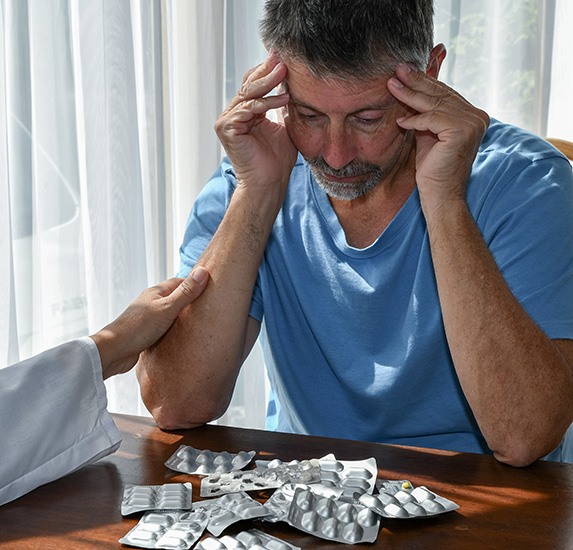
As bad as opioid addictions are, it’s entirely possible to overcome them. Various treatment options exist for these drug dependencies.
Perhaps the best-known option is medication-assisted treatment (MAT). With this approach, a patient takes special medicines that reduce cravings and other withdrawal symptoms. It’s also very effective when combined with talk therapy and other forms of support. Even better, the medication-assisted method is quite safe; it’s supervised by trained professionals and shouldn’t lead to a relapse.
Today, several drugs can help patients with opioid addictions. These range from Buprenorphine and Suboxone to Vivitrol, Sublocade, and even Naltrexone.
Get Help for Your Addiction

Given the risks of opioid addiction, don’t hesitate to see us for help. Just call us at 913-713-1238 (or visit our website) and we’ll gladly assist. Once you visit, Nurse Laura will outline some amazing treatment options for you to ensure you recover and thrive.
Opioid Addictions FAQs
What are the Major Warning Signs of Opioid Addiction?
Among opioid users, there are certain telltale signs of addiction to watch out for. These include the following:
- Taking opioids for feelings of pleasure, euphoria, and/or emotional escape.
- People advising that you “cut back” or quit using the medications.
- Ingesting opioids through non-oral means, such as crushing, snorting, or injecting.
- Having intense cravings when not taking the drugs.
- Seeking early refill of prescriptions, prescriptions from other doctors, and drugs from other sources.
If you (or a loved one) show several of these symptoms, see an addiction specialist as quickly as possible. They can provide a full diagnosis and suitable treatment options.
Does Opioid Use Always Lead to Addiction?
Opioid use doesn’t always lead to addiction, but it’s inherently risky. Anyone who takes prescription opioids can become addicted over time.
In fact, developing a tolerance to an opioid is very likely to cause addiction. It means you need higher dosages to relieve your pain, and these increased amounts often lead to physical dependence. The latter can result in withdrawal symptoms when you eventually (and inevitably) stop using the medication.
Given this reality, always exercise caution when taking prescription opioids. Ways to do so include regular meetings with your prescribing doctor, monitoring yourself for symptoms, etc.
What Should I Do If I Believe a Loved One Is Addicted to Opioids?
When a loved one seems to have an opioid addiction, tread carefully; you don’t want to push them further into their ailment. Otherwise, you might make their recovery longer and harder.
The first step to take is to offer reassurance and support. Addiction is a disease, and prompting a loved one to feel worthless or guilty won’t help. The addict is likely already beating themselves up anyway.
Once you’ve given support, encourage your friend or family member to seek help. Make sure to also set boundaries and avoid co-dependency if they’re an adult and refuse. In that latter scenario, the best you can do is set a good example and remain optimistic, all while noting you can’t control others’ actions.
How Can I Prevent an Overdose on Prescription Opioids?
When taking prescription opioids for pain (or other conditions), you can do a few things to make overdoses less likely. These are:
- Confirm What You’re Taking – From the start, learn what pill you’re taking and its exact dose. Doing so helps you stick to a solid treatment plan.
- Don’t Mix Your Meds – It’s crucial that you not mix opioids with alcohol or other drugs. After all, drugs with the same effects (i.e., downers like opioids and alcohol) can dangerously slow your breathing.
- Know Your Tolerance – If you need to take a prescribed opioid after a brief period without it, talk to your doctor first. They can check your current tolerance levels and ensure your dosage isn’t too high.
- Avoid Improper Use(s) – Never chew, cut, crush, or dissolve opioid tablets or capsules. Also, talk to your doctor if you need to take more medicine than prescribed for pain relief.