
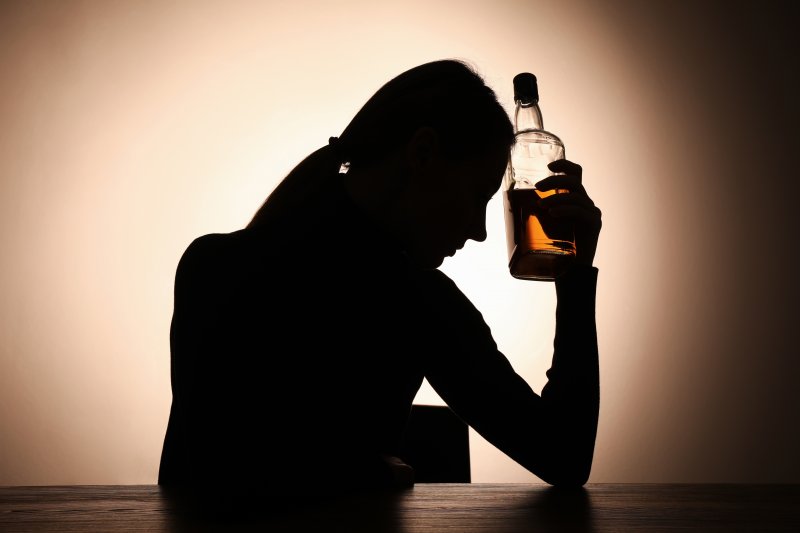
While it’s great for a drug user to know they need help, that doesn’t always happen easily. Many people hooked on alcohol, opioids, and similar “stuff” will say they don’t have a problem or need medical aid. That said, what should you do if an alcoholic or addict refuses treatment? Your Kansas City addiction specialist can offer a few suggestions, so don’t worry. Just keep reading to learn good responses to an alcohol or opioid addict who rejects treatment.
Educate Yourself
For starters, it’s a good idea to educate yourself on the addict’s situation. Learning what their addiction is doing to them – physically, emotionally, socially, etc. – will help you prepare for the future.
Doing the necessary research isn’t a hard task these days. All in all, you can learn about specific drug and alcohol issues through web searches, AI chatbots, and talks with addiction specialists. Doing so will help you grasp withdrawal symptoms and similar elements, giving you more sympathy for the addict’s plight. It’ll also validate your stance in a later intervention, if and when one becomes necessary.
Decipher the Situation
You should also try to decipher the addict’s situation, especially the particulars of what they’re facing. You’ll then be better equipped to talk with them in the future.
Remember, addiction has different stages with different signs. Grasping which stage an addict is suffering from makes you more persuasive when you try helping them. In fact, it can even make the difference between a productive discussion and realizing you’re too late to assist. The sufferer may be more willing to listen if they sense you know something about their situation.
Stop Funding
A concrete action you can take is to stop funding their addiction. That way, they’re more likely to get the help they so sorely need.
Once you recognize yourself as an enabler, it’s possible to overcome the problem. The solution is often to be non-confrontational about how you won’t support an addiction anymore. For instance, you can offer the addict a reason why you won’t give them money when they ask. This is a better approach than “ganging up” on someone, which can cause them to disappear for days at a time.
Offer Positive Encouragement
Lastly, you can positively encourage the addict to seek assistance. You don’t need to hammer the point home harshly or critically.
Someone who dismisses addiction treatment is usually “on edge” about their situation. In other words, they don’t want to feel judged, belittled, or looked down on. Positive encouragement about treatment lets them see you’re on their side, genuinely wanting what’s best for them. Such advocacy can be even more effective when you’re an important and influential figure in the person’s life.
Hopefully, these responses to an alcoholic or addict refusing treatment will offer you some hope. Keep them in mind as you look for ways to help loved ones overcome their dependence.
About the Practice
B&L Medical Group is based in Kansas City. Led by nurse practitioner Laura Lindsay, our practice aims to help every patient overcome their addictions to alcohol, opioids, and similar substances. We thus offer many medication-assisted treatments that reduce cravings and ease withdrawal symptoms. If you’re ready to wean yourself off harmful drugs, our team will gladly assist! For more details or to book a visit, contact us on our website or by phone at (913)-713-1238.